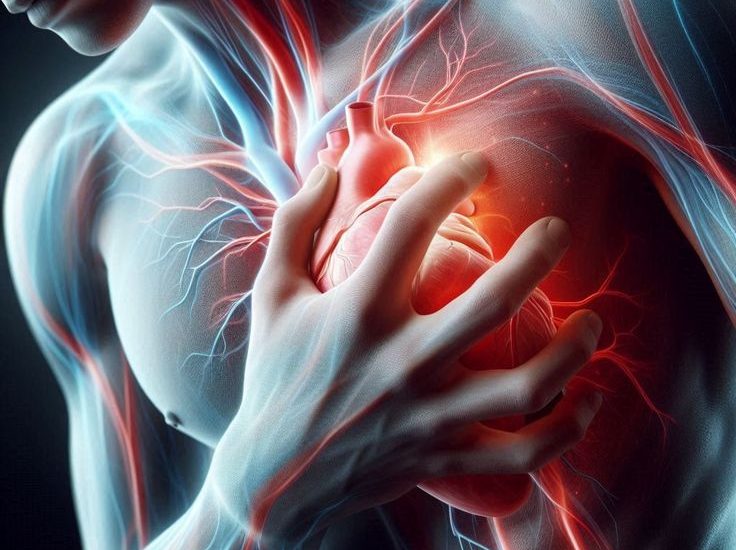
How to Avoid a Heart Attack: Doctor-Approved Habits That Can Save Your Life
Heart attacks remain one of the leading causes of death worldwide—even though many of them are completely preventable. Cardiologists say that up to 80% of heart attacks could be avoided through simple lifestyle changes, routine checkups, and paying attention to early warning signs.
Below is a comprehensive guide to protecting your heart, based on the habits doctors most often recommend.
1. Know the Hidden Warning Signs
Most people imagine a heart attack as someone suddenly clutching their chest, but the real early signs are often much quieter:
- Unexplained fatigue
- Shortness of breath
- Chest pressure or tightness
- Pain in the jaw, back, or arm
- Nausea or dizziness
- Cold sweats
These symptoms may appear days or even weeks before a major heart attack. Never ignore them—especially if they appear during physical activity.
2. Watch Your “Silent” Risk Factors
Some heart attack triggers don’t cause noticeable symptoms until it’s too late. Doctors call these silent risks:
High blood pressure
Often shows no symptoms but damages arteries over time.
High cholesterol
Especially LDL (“bad cholesterol”), which builds plaque inside arteries.
High blood sugar / prediabetes
Raises inflammation and thickens blood vessels.
Family history
If a parent or sibling had a heart attack before age 55 (men) or 65 (women), your risk is much higher.
A simple yearly blood test can reveal these early.
3. Adopt Heart-Healthy Eating Habits
You don’t need an extreme diet—just some smart swaps:
Eat more:
- Oats, whole grains
- Leafy greens (spinach, kale)
- Berries
- Beans and lentils
- Nuts (especially walnuts and almonds)
- Olive oil
- Fatty fish like salmon or sardines
Eat less:
- Processed meats (bacon, sausages)
- Fried food
- Sugary drinks
- White bread and pastries
- Fast food
- Excess salt
A diet rich in fiber and good fats keeps arteries clean and reduces plaque buildup.
4. Keep Moving—Even Small Steps Count
Exercise doesn’t have to be intense to protect your heart.
Doctors recommend:
- 150 minutes of moderate exercise per week, such as walking
- Or 75 minutes of vigorous exercise, such as jogging
- Strength training 2–3 times a week
Even 10-minute walks throughout the day can cut heart attack risk almost in half.
5. Manage Stress Before It Manages You
Chronic stress releases hormones like cortisol that raise blood pressure and inflammation.
Try:
- Deep breathing exercises
- Meditation
- Regular walks
- Talking to a friend or therapist
- Reducing alcohol and caffeine
Studies show people who practice stress-reducing activities have significantly fewer cardiac events.
6. Quit Smoking (or Avoid Secondhand Smoke)
Smoking is one of the strongest predictors of a heart attack. It damages arteries, thickens blood, and reduces oxygen levels.
Even being around smokers raises your risk.
The good news?
Within one year of quitting, your heart attack risk drops by 50%.
7. Maintain a Healthy Weight
Extra weight—especially belly fat—forces the heart to work harder.
Indicators to watch:
- Waist size: Under 40 inches for men, under 35 for women
- BMI: 18.5–24.9 is considered healthy
Even losing just 5–10% of your body weight dramatically improves heart health.
8. Get Enough Sleep
Poor sleep increases blood pressure, weight gain, and inflammation.
Doctors recommend:
- 7–9 hours per night
- Avoid screens 1 hour before bedtime
- Keep a consistent sleep schedule
People who sleep less than 6 hours per night have a 20–48% higher risk of a heart attack.
9. Limit Alcohol
Heavy drinking strains the heart and raises blood pressure.
Safe guidelines:
- Men: Max 2 drinks per day
- Women: Max 1 drink per day
Less is always better for heart health.
10. Don’t Skip Your Regular Checkups
Many life-threatening heart problems are found during routine exams.
Ask your doctor to check:
- Cholesterol levels
- Blood pressure
- Blood sugar
- Inflammation markers
- Heart rhythm
These simple tests can detect problems long before they become deadly.
Final Thoughts: Protecting Your Heart Starts Today
A heart attack often isn’t random—it’s the result of years of silent changes inside the body. The sooner you take steps to protect your heart, the more years of healthy life you gain.
Small habits, repeated daily, save lives.
If you change even two or three of the habits above, your heart will thank you—and the people who love you will too. ❤️
Leave a Reply